Whale Watching in Albany
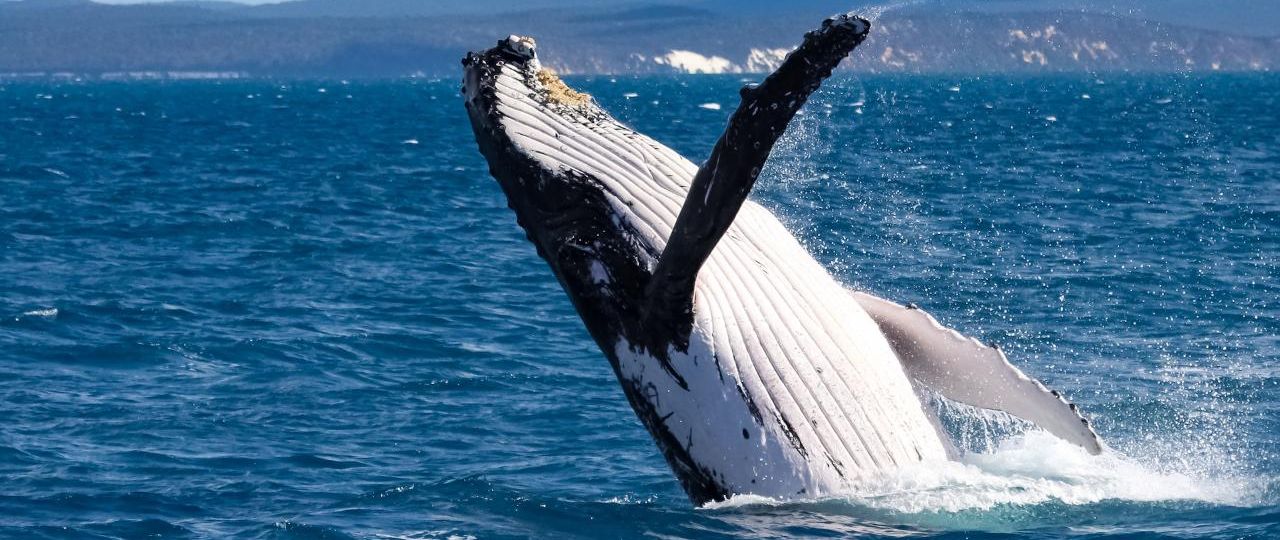
Each year, the spectacular migration of humpback whales, southern right whales and the rare blue whale transforms the waters of Albany into one of the best whale watching destinations in Western Australia. Running from June through to October, Western Australia’s whale watching season is one of the longest in the world.
During this time, these majestic marine mammals travel along the coast, with many stopping in Albany’s calm and sheltered bays to rest, calve and mate. Visitors can enjoy incredible sightings from the shoreline or experience the thrill of getting closer on a whale watching cruise. On many days, the whales can be seen clearly from land - no binoculars required. Dolphins and seals are also commonly spotted playing in Albany’s pristine coastal waters.
Some of the best land-based whale watching locations around Albany include the Ellen Cove Boardwalk, Discovery Bay, Marine Drive lookouts, The Blowholes, Bald Head, the Albany Wind Farm, Gull Rock, Little Beach and Cheynes Beach.
Tours
For the ultimate experience, the best way to get up close to these incredible marine giants is by joining a whale watching tour by boat, offering unforgettable views and encounters on the water.
Before arriving in Albany, be sure to book your whale watching cruise through the Albany Visitor Centre on 6820 3700 or click here to book now.
Southern Right Whale
The Southern Right whale was once abundant in the waters of southern Australia but numbers were drastically reduced during intensive whaling in the 1800s. It was called a ‘right whale’ as it was the right whale to catch because of its meat and high oil content. Its habit of lingering in bays and sheltered coastal areas made it an easy target so much so that it had virtually disappeared by the beginning of the 20th century.
It is readily distinguished from other species by the callosities, or bumps, on its head. It also has a broad back without a dorsal fin and a long arching mouth that begins above the eye.
Fortunately, with strong protection, its numbers are gradually increasing and the species is returning to its former numbers. It is most commonly sighted in Albany later in the season, from August to October.
Humpback Whale
The Humpback whale is found close to coastlines, feeding on tiny shrimp-like krill, plankton, and small fish. They migrate annually from summer feeding grounds near the South Pole to warmer winter breeding waters off the North West coast of Western Australia.
The Humpback whales most distinctive physical features are their humped back and long pectoral fins, which average one-third of their total body length.
Humpbacks are very acrobatic, often breaching high out of the water and then slapping the water as they come back down. The best time to see them around Albany is from June to August.
Whaling History
After WWII, a worldwide shortage of fats led to the development of the modern whaling industry. The Albany Whaling Company commenced operations in 1947 and in 1952 was succeeded by the Cheynes Beach Whaling Company.
Shore whaling continued at Albany until 1978 when a downturn in the industry and mounting pressure from the environment movement led to the closure of the whaling station.
Today thousands visit during whale watching season to catch sight of the whales as they cavort around in King George Sound. Visitors also visit Albany’s Historic Whaling Station, home of the former Cheynes Beach Whaling Company.
Albany’s Historic Whaling Station
The Historic Whaling Station is situated on the site of the old Cheynes Beach Whaling Company, located on the picturesque southern coast of King George Sound in Albany. Since its inception in 1980, the heritage-listed site has undergone dramatic change. The old whaling station has transformed into Discovery Bay, a truly unique attraction.
As well as being home to Australia’s last operating whaling station, Discovery Bay now encompasses a stunning Botanic Garden of plants from Western Australia’s south coast as well as a close-up experience with friendly Australian Wildlife. Maximising its location, Discovery Bay is a showcase of amazing regional bio-diversity, yet still remains true to the original whaling display. Take a self guided tour of the Station, explore the last Whaling Ship "The Cheynes IV" and see Australia's largest marine mammal skeleton display.
Orca/Killer Whale Season
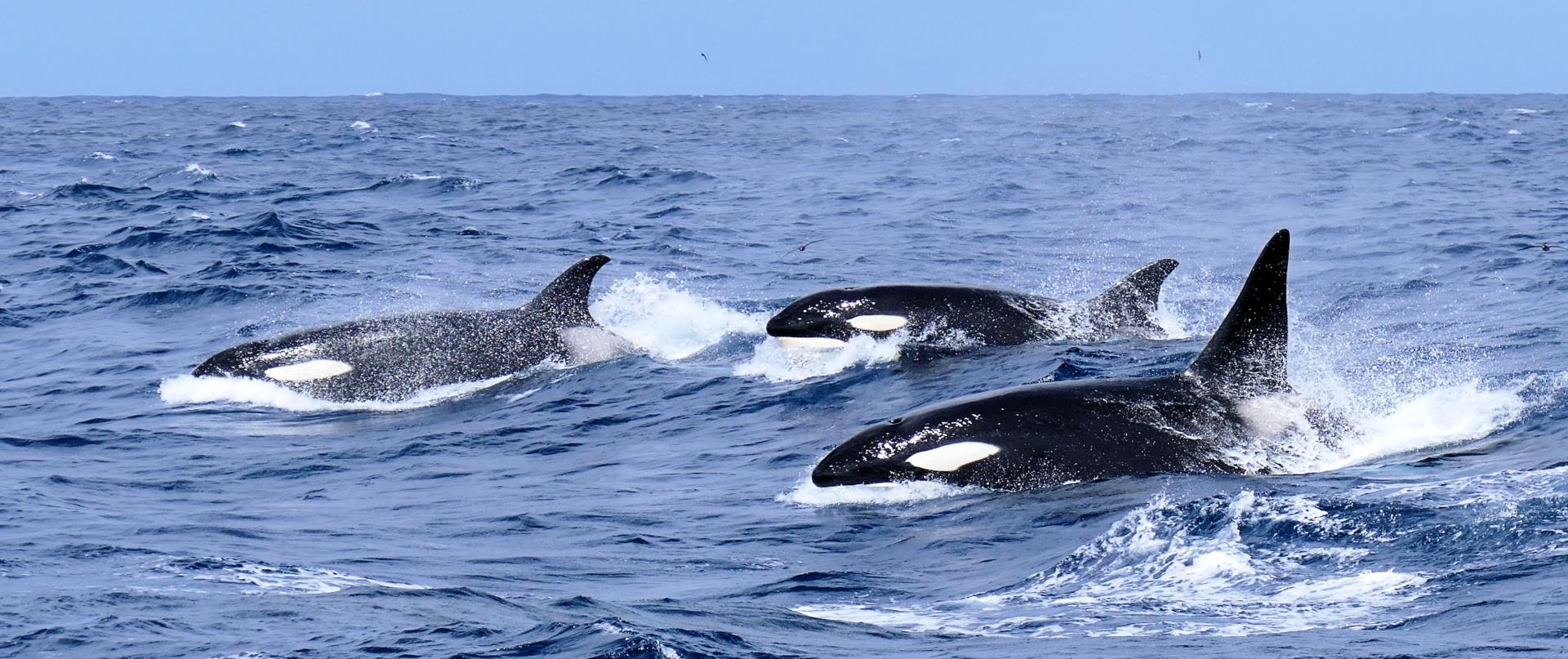
Each year from mid-December through to April, Bremer Bay’s orca season offers a rare and unforgettable encounter with the wild.
The Bremer Canyon, approximately 50km off-shore, is a nutrient-rich hotspot fuelled by ocean currents and underwater topography, supporting an abundance of marine life such as beaked whales, sperm whales, giant squid and other prey, making it a reliable feeding ground for orca pods.
The Bremer Canyon sees the largest congregation of orcas in the Southern Hemisphere. Over 200 individuals have been named and catalogued by research teams and visitors often observe varied behaviours including hunting, breaching, socialising and bonding with calves.
It is not possible to see the orcas from shore, so call the Albany Visitor Centre on 08 6820 3700 or book your tour here.